
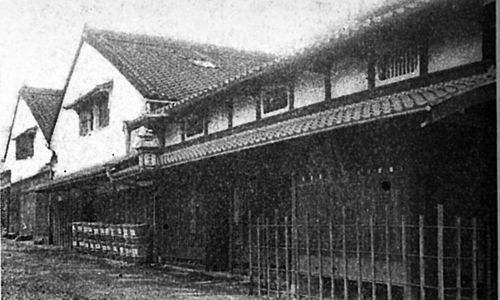
1842
1842 – Takara Group – The Early Years
In its earliest inception, the Takara Group was founded in 1842, toward the end of the Edo period, by the Yomo family in Kyoto’s Fushimi district. After initially brewing only sake, by 1864, just before the Meiji Restoration, they subsequently also made shochu, mirin, and shirozake.
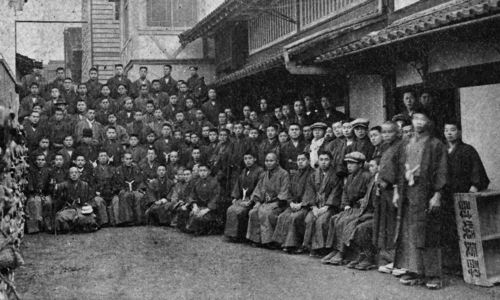
In 1905, Yomo GMK, the general partnership that preceded Takara Shozo Co., Ltd. was established under the leadership of Usaburo Yomo, who made mirin the company's leading product and extended its sales network from the local Kansai (Osaka, Kyoto, Kobe. etc.,) region to the Kanto region, which is centered on Tokyo. Yomo GMK's success at this time resulted in Usaburo being feted as the "King of Kansai Mirin." In 1916 Yomo began sales of its own brand of Takara Shochu.
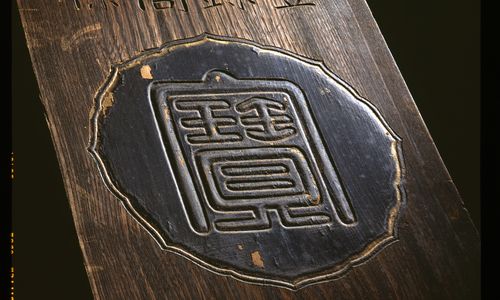
1925
1925 – The Incorporation of Takara Shuzo
In 1925, Yomo GMK reorganized itself in hopes of even greater success and was reincorporated as Takara Shuzo Co., Ltd. Having been installed as Takara Shuzo's first president, Usaburo Yomo worked together with Kurakichi Ohmiya, in whom Usaburo had complete faith, to organize the Houkoukai and Sengokukai--two organizations designed to strengthen mutual trust between the company and its closest business partners. Additionally, they worked proactively to acquire Teikoku Shuzo KK and other brewers through mergers. Working hand in hand, these two men extended sales of Takara-brand shochu and mirin products across all of Japan, thereby creating the foundation of today's Takara Group.
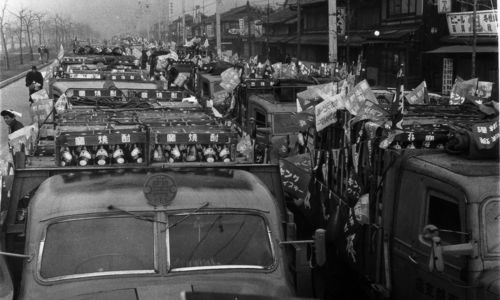
By 1949, shochu was the top-selling alcoholic beverage, accounting for 28% of all sales of alcohol. Takara Shuzo was enjoying brisk growth in sales volumes. During the 1950s Takara Shochu became one of Japan's best-selling brands, bringing the company great prosperity. Kurakichi was dubbed the "father of the recovery."
1951
1951 – Exporting Sake to USA
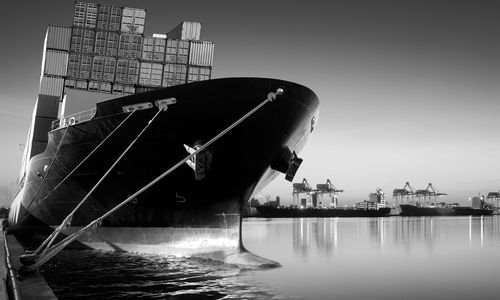
In the 1950s many Japanese corporations entered major US cities in large numbers. Demand for Japanese food in the US emerged wherever Japanese expatriates settled in the US for work. In 1951, almost 30 years before establishing Takara Sake USA Inc., Takara Shuzo commenced the export of "Sho Chiku Bai" brands, starting with California. In the 60s, the first "Benihana" - Teppanyaki restaurant opened its door in New York catering Americans. In the 70s, sushi specialty restaurants debuted in L.A. and New York, bringing the advent of the sushi boom.
1975 novel by James Clavell became the TV show in 1980 and aired in America. With its success and popularity, not only Japanese foods but Japanese culture itself became popular world wide. Takara Shuzo sought an opportunity to expand its business in the USA.
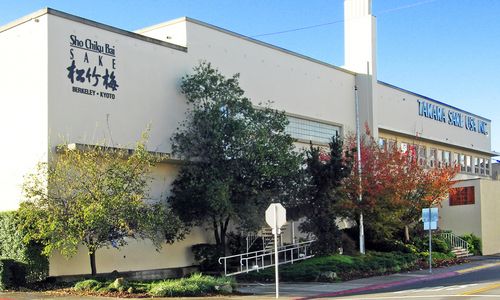
In 1983, Takara Sake USA Inc. was founded in Berkeley, California. After extensive research in resources and logistics, Takara decided that Calrose, a unique Japanese hybrid variety, was the best choice for a newly established operation in Berkeley. Combined with Calrose, quality water sourced from the Sierra Nevada mountain range and a Mediterranean climate, Takara Sake USA Inc. showed steady growth in production and popularity.
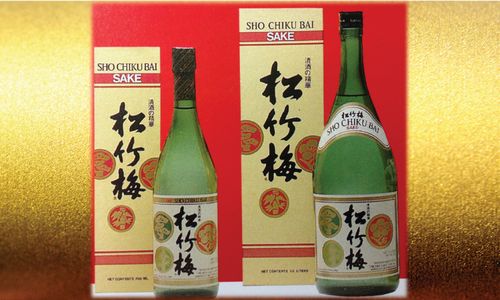
In March 1983, the first American-made "Sho Chiku Bai" sake was released as "Sho Chiku Bai Classic Junmai Sake." During the commemoration, then president Takashi Omiya said the following: "We had no intention to sell our product until we were fully satisfied with it. This time we created a sake product that is on par with its Japanese counterpart." The quality and taste of this extraordinary sake easily became the flagship product for Takara Sake USA, since its introduction. Our award-winning Sho Chiku Bai Classic Junmai Sake is the definition of exquisite sake made in the USA.
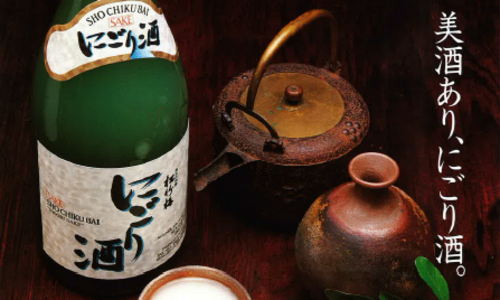
In 1984, the first nigori sake made in America, "Sho Chiku Bai Nigori" was released.
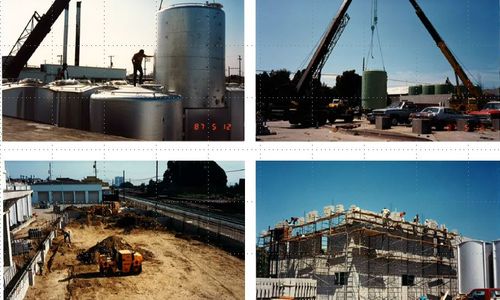
With improvement and expansion of the production area, Takara Sake USA Inc. increased annual production capacity from 1,400KL to 2,850KL. In 1988, our New York and Los Angeles offices opened.
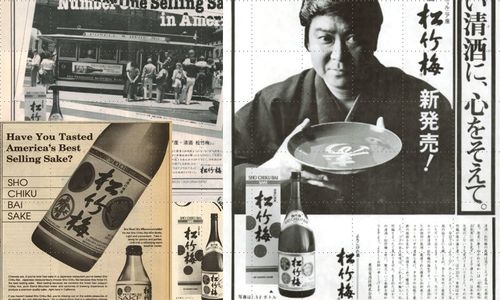
1990
1990 – Takara Sake USA – America’s Largest
In 1990, Takara Sake USA became America's Largest Sake producer.
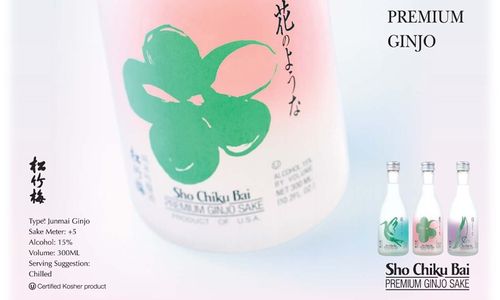
In 1992, the first American-made ginjo sake, "Sho Chiku Bai Premium Ginjo" sake was released.
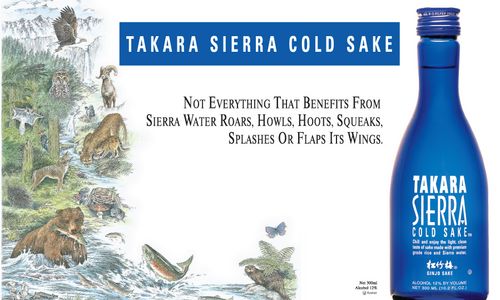
Takara Shuzo, Takara Sake USA Inc. and the Sierra Club started the Wild Salmon Forever Campaign in 1995. Sierra Cold Sake was added to the product line.
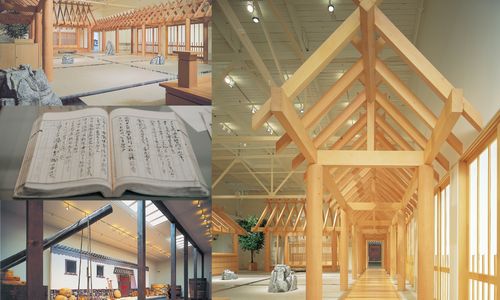
Takara Sake USA continued to invest in its factory and equipment. In 1997, its production capacity expanded to 4,200KL with new construction. At this time, the Tasting Room was remodeled and the Sake Museum was created.
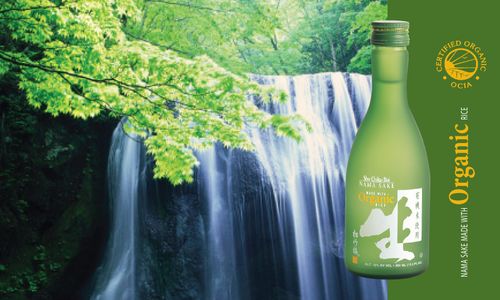
2000 Sho Chiku Bai Organic Nama, using organic rice made in America, was released.
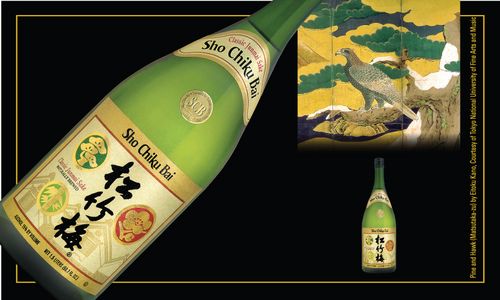
2002 Sho Chiku Bai Classic Junmai Sake was reintroduced with a newly designed label.
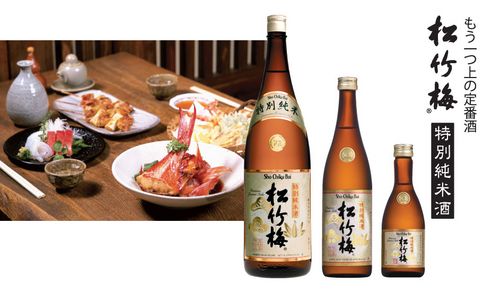
In 2005, as one of our core products, Sho Chiku Bai Tokubetsu Junmai was added.
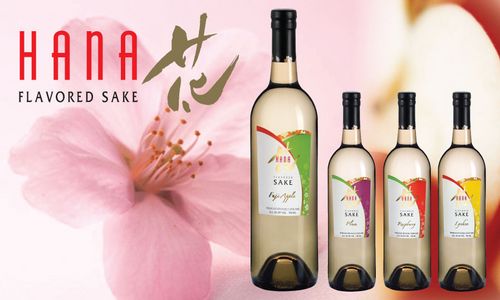
In 2006, HANA Flavored Sake debuted as an answer to requests for new innovations in sake.
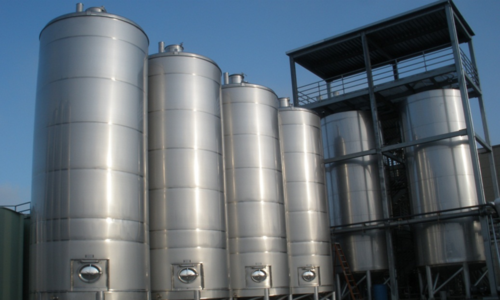
Owing to strong and steady sales, production facilites were improved in order to allow more effective handling of supplies, during the period from 2009 to 2011. Renovations enabling Takara Sake USA to enhance the quality of sake and run small-lot production were carried out. Annual productive capacity was 6,000KL in 2009 and it reached 7,500KL in 2011.
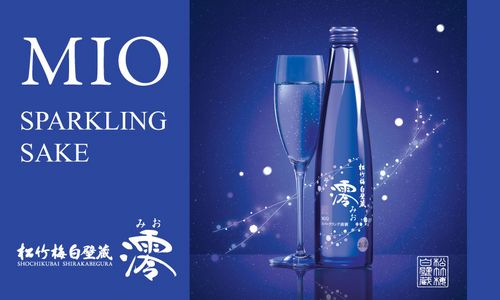
In 2012, MIO Sparkling Sake made its entrance into the US market, representing a new type of sake.
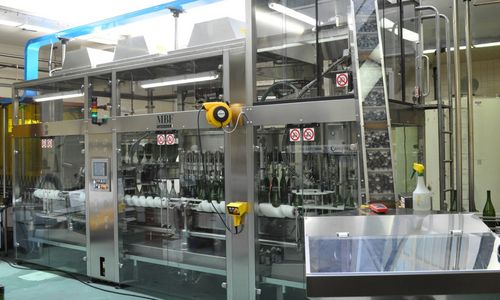
In 2013, the bottling line was replaced with state-of-the-art equipment. Since then the bottling speed at our factory has significantly increased.
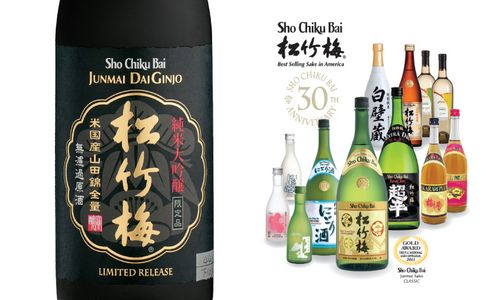
In 2013, Takara Sake USA Inc. celebrated its 30th Anniversary of producing sake in the USA. Takara now has the largest production capacity in the US and boasts the greatest range of high-quality products. The first junmai daiginjo sake made from 100% American-grown Yamadanishiki sake rice was crafted to signify this achievement.
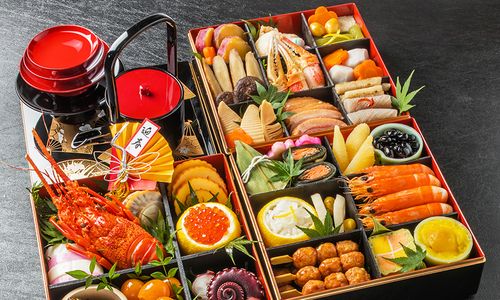
UNESCO Site: On December 4, 2013, the United Nations Educational, Scientific, And Cultural Organization (UNESCO) agreed to register washoku (traditional Japanese cuisine) as an intangible cultural heritage, a social custom handed down from generation to generation that expresses Japanese people's respect for nature. Culinary Customs Founded on Respect for Nature
- Diversity and freshness of ingredients, and respect for thier inherent flavors.
- An exceptionally well-balanced and healthy diet.
- An expression of natural beaty and the changing seasons.
- Close links with annual events.
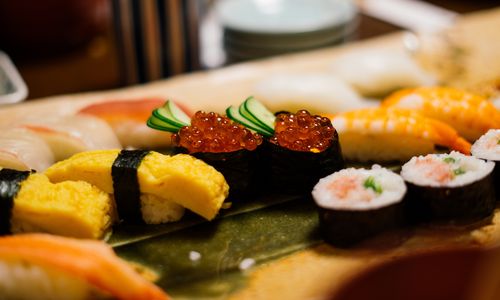
According to Japan's Ministry of Agriculture, Forestry and Fisheries, the number of Japanese restaurants in North America (including Canada) rose to 25,300 in 2017. With the new wave of popularity of Japanese food & cultures, many micro sake breweries are entering the market. Takara Sake USA welcome such movement and proud to be the part of expanding and spreading the sake culture and Japanese cultrure further in US market.
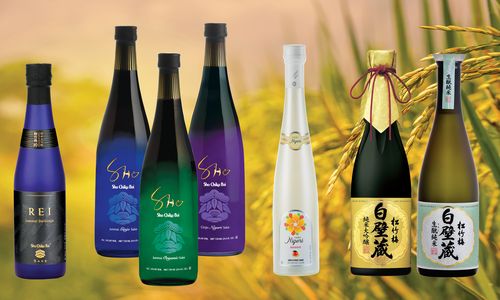
In 2017, Takara Sake USA has expanded its portfolio with exciting new products. These products include: Sho Chiku Bai REI Junmai Daiginjo, 3 types (junmai ginjo, junmai organic, ginjo nigori) of sake under the Sho Chiku Bai SHO brands, and an exciting new mango flavor addition for our YUKI Nigori sake series. Furthermore, Takara Sake USA added two new imported products from the award-wining Shirakabegura Brewery in Nada, Hyogo prefecture in Japan: Sho Chiku Bai Shirakabegura Junmai Daiginjo, Sho Chiku Bai Shirakabegura Kimoto Junmai.